
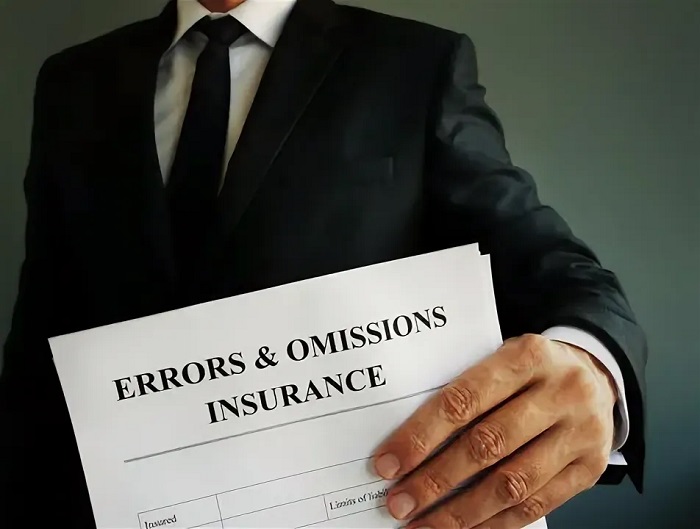
Errors and omissions insurance is an important component of professional protection for many professionals and companies. Choosing the right policy helps reduce the risks associated with potential financial losses due to incorrect actions or shortcomings, which is especially important in today’s business environment.
For those seeking optimal solutions, it’s helpful to familiarize yourself with issues such as obtaining a business insurance quote Chicago and the criteria for choosing an insurance company. Following the rules and advice in this area ensures reliable protection and minimizes the consequences of potential errors.
Mandatory clauses in an insurance contract: how to properly formalize protection against errors and omissions
When drawing up an errors and omissions insurance contract, it’s important to ensure that the document includes all necessary clauses that will protect the parties in the event of a dispute. Such an agreement serves as the legal basis for determining the liability of the insurer and the policyholder, so its content must be as clear and complete as possible.
A properly executed agreement will help reduce the risk of misunderstandings and ensure effective protection in the event of errors or omissions on the part of the insurer. Below are the key points that must be included in an insurance contract.
Mandatory Points of an Insurance Contract
- Definition of the Subject of Insurance: Clearly state what errors or omissions are covered by the insurance, describing specific situations and types of liability.
- Amount of Insured Sum and Deductible: Set forth the maximum payout amount and deductible conditions so that the parties clearly understand their obligations and risks.
- Responsibilities of the Parties: Detail the policyholder’s responsibilities for providing information, notifying of an insured event, and complying with the terms of the contract.
- Claim Payment Procedure: Define the procedure for claiming payment, the required documents, and the timeframe for review and payment of compensation.
- Exclusions and Limitations: Specify situations in which insurance coverage does not apply to reduce the risk of misunderstandings and fraud.
- Termination Procedure: Describe the terms and procedure for termination. contract, as well as possible penalties.
- Liability of the parties: specify the amount and types of liability for breach of contract terms, which will enhance its legal force.
When drafting a contract, it is important to avoid ambiguous wording and omissions and adhere to the required legal strictness. Drafting such a document with these points in mind will ensure reliable protection against errors and omissions, and reduce the likelihood of future disputes.
Overview of cases where insurance helps avoid financial losses due to counterparty errors
Errors and omissions insurance significantly reduces the risk of financial loss for professionals and companies facing possible miscalculations or unfair practices on the part of counterparties. In important transactions and projects, this type of insurance coverage provides confidence and protection in the event of unforeseen situations.
Let’s consider the main situations in which errors and omissions insurance is particularly useful:
Main Cases Where Insurance Helps Avoid Financial Losses
- Errors in Contractual Documents: Incorrect execution or incorrect terms can lead to financial losses. Insurance covers losses associated with errors in documentation.
- Bad-faith actions by counterparties: attempts to conceal violations or providing false information. Insurance compensates for losses in the event of fraud or intentional abuse.
- Calculation and Technical Errors: errors in calculations, estimates, or technical execution of work. This policy provides protection against potential penalties and additional costs.
- Delays and failure to comply with contractual obligations: failure to meet deadlines or conditions, leading to financial losses. Insurance helps compensate for losses associated with such delays.
- Erroneous recommendations and advice: providing incorrect advice or recommendations that result in damages. Insurance covers its potential losses in the event of a claim.
Using errors and omissions insurance is an important measure to improve reliability and financial security in business practices. It helps mitigate the negative consequences of counterparty errors and maintain business stability. Choosing the right policy, carefully reviewing the terms and conditions, and timely registration provide reliable protection and allow you to focus on business development without fear of unexpected losses.