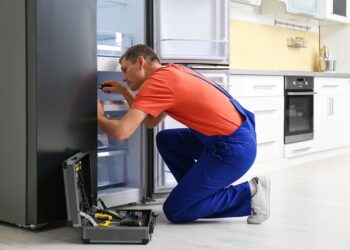
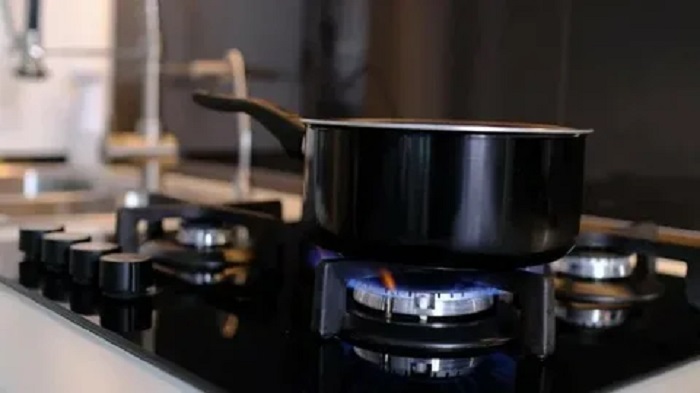
A gas furnace is an important element of a heating system, ensuring comfort in your home. However, sometimes it can begin distributing heat unevenly. These issues can arise for a variety of reasons, including a dirty heat exchanger, a faulty thermostat, or a burner problem. Fast, high-quality gas furnace repair will help resolve the issue and restore the system to proper operation, which is especially important during the colder months.
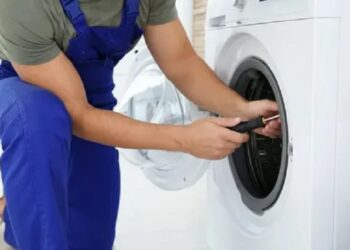
For those looking for a quick solution, requesting affordable furnace repair near me is a good idea. Repair steps include diagnostics, cleaning or replacing faulty parts, and adjusting the system to ensure even heat distribution and improve furnace efficiency.
Diagnosing the Causes of Uneven Heating in a Gas Furnace
The next diagnostic step is checking the control system and temperature sensors. Faulty or improperly calibrated sensors can generate false signals, causing improper burner operation and uneven heating. It is also necessary to ensure that there are no gas leaks and that the integrity of the ventilation and chimney systems is confirmed. A comprehensive inspection and testing of operating parameters will help pinpoint the source of the problem and prepare a repair plan.
Methods for identifying faults during diagnostics
- Visual inspection of components – checking the condition of the burner, heat exchangers, channels, and connections for contamination, cracks, or wear.
- Flame check – determining the stability and uniformity of the flame in various furnace operating modes.
- Control system diagnostics – using a multimeter and other instruments to check the operation of sensors and automation elements.
- System leak test – testing for gas leaks and checking the system pressure.
- Test operation – operating the furnace for a certain period of time, measuring temperatures in different zones to determine the zone with insufficient heating.
Inspection and testing of the ventilation system to eliminate heat distribution imbalances
Conducting a thorough inspection of the system A ventilation system inspection helps identify potential causes of inefficient operation and correct them, which helps improve overall heating efficiency and indoor comfort.
Ventilation System Inspection and Testing Procedure
- Visual Inspection of Ventilation Ducts – Check the condition of the ducts for damage, dirt, or accumulated dust that interferes with normal airflow.
- Cleaning Vents and Ducts – Remove dust, dirt, and scale to ensure free airflow.
- Checking Ventilation Dampers and Valves – Ensure they are not sticking and open and close completely, regulating airflow.
- Air Circulation Testing – Conduct a test based on the system’s operation and possible leaks or airflow obstructions.
- Ventilation Equipment Diagnostics – Check the operation of fans and other system components as needed; replace or repair any faults. them.
Conducting a systematic inspection and testing of the ventilation system is an important step in eliminating the causes of uneven heat distribution in a room. A properly functioning ventilation system promotes uniform air circulation, improves the efficiency of the gas furnace, and creates a comfortable environment for residents.