
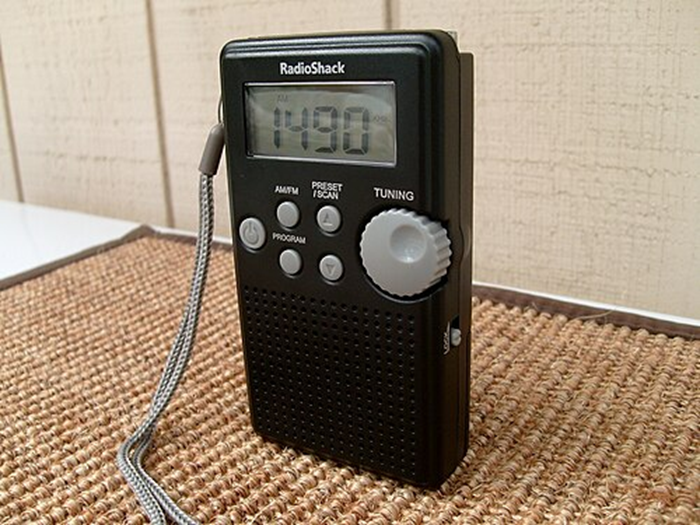
One of the most famous stores selling radio components, and later electronics, was the American company Radio Shack. More precisely, it was an entire chain of retail outlets aimed at radio enthusiasts, offering them components for their favorite hobby.
They also published manuals and guides for assembling and configuring devices. You can view Radio Shack manuals on the manualmachine.com
History
The company was founded in 1921 by the Deutschemann brothers. They took the name from the racks of radio equipment on ships, symbolizing the similar capabilities of their own offering for radio amateurs.
The company published its first catalog in 1939, and at that time, it turned its attention to a market niche later called hi-fi audio equipment. It was thanks to the actions of such large companies that this segment developed and product prices dropped.
In 1962, ownership changed; the company was acquired by Tandy Corporation, which refocused sales on electronics, a move that was in line with the times, and this allowed Radio Shack itself to gain a new lease of life.
In 1977, the company’s first, highly successful computer was released. Another important focus was the production and sale of short-range walkie-talkies, allowing for the creation of home radio stations. A timely shift to IBM PC-compatible computers occurred in the late 1980s.
In the summer of 1995, a partial rebranding took place, with the logo and spelling of the name changed from Radio Shack to RadioShack.
However, in 2014, the company was hit by a crisis, announcing the closure of 1,100 stores, and then went out of business in 2015, unable to withstand the pressure of online retail.
Product Range
Throughout the chain’s history, its core sales were radio components, from simple resistors to complex electronic modules. These allowed customers not only to repair equipment but also to create their own versions of various devices, from simple receivers to amplifiers and other complex devices. During its heyday in the 1980s and 1990s, stores sold personal computers, telephones, electronic toys, cassette tapes, CDs, joysticks, cables, chargers, adapters, batteries—in other words, virtually the entire spectrum of similar devices and appliances.
The shift to electronics and the disappearance of radio products led to a loss of the company’s target audience, and new consumers preferred other chains or marketplaces, leading to the company’s demise.