
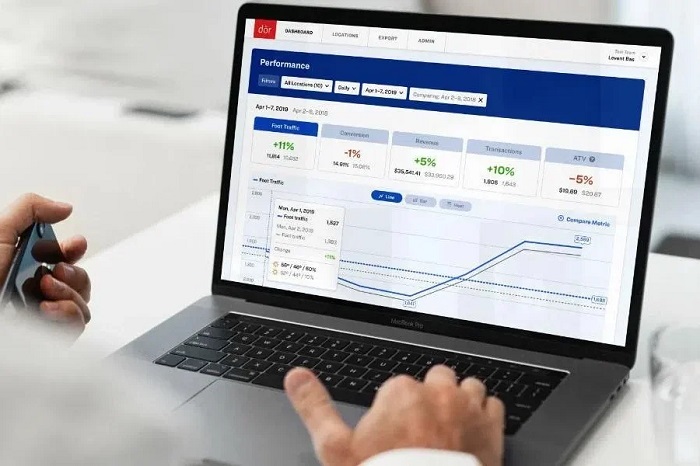
Receipt-based retail analytics is one of the fastest and most accurate ways to evaluate sales performance without the need for complex integrations and multi-layered systems. A receipt is a verified purchase: it records which items were sold, in what combination, at what price, in which store, and at what time. When properly modeled, this data becomes a reliable basis for management decisions in operations, merchandising, and commercial departments.
What are the benefits of using receipt analytics?
Retail BI using POS receipt data and the use of receipt analytics in conjunction with Finko’s KPI dashboards is particularly valuable because it connects sales results to customer behavior and transaction context. This means you can not only answer the question “how much did we sell” but also understand “why the metrics changed” and “what actions should be taken.” This methodology allows for a deeper and more manageable understanding of processes, rather than being limited to dry revenue statistics. To ensure accurate analysis, it’s important to consider the receipt as a transaction layer, and the receipt lines as a basket layer. The receipt header typically contains transaction attributes, while the receipt lines contain product information and quantities. Recording the time in the store’s local time zone is crucial, as analyzing sales over time is a key aspect of retail management.
Receipt Processing Features
Furthermore, data management rules must be applied when working with receipts. Sales receipts, returns, cancellations, and corrections are not interchangeable. Mixing these operations can lead to inaccurate and misleading average receipts, basket metrics, and time profiles. Effective analytics requires that each transaction type be correctly accounted for within its category, and that return or cancellation data be compared to original sales only where it truly matters.
Before creating KPI dashboards, it’s important to determine how each transaction impacts metrics. Returns are often recorded on a different date than the initial sale, and cancellations are more of an operational event than a customer behavioral one. Best practice is to compare sales and return metrics, creating a “comprehensive view” only where it provides management value. This approach ensures the integrity of analytics and makes it the basis for informed business decisions, helping not only to track current results but also to forecast future actions for sales growth.